Dear Supporters of OpenGLAM

As spring gets underway, we're excited to share some exciting stuff happening in the world of Galleries, Libraries, Archives, and Museums. From the anniversary edition of the GLAMhack to interesting Wikimedia projects, this month's newsletter is all about the latest news, projects, and interesting stuff that make spring a special time in the GLAM community! đźš€

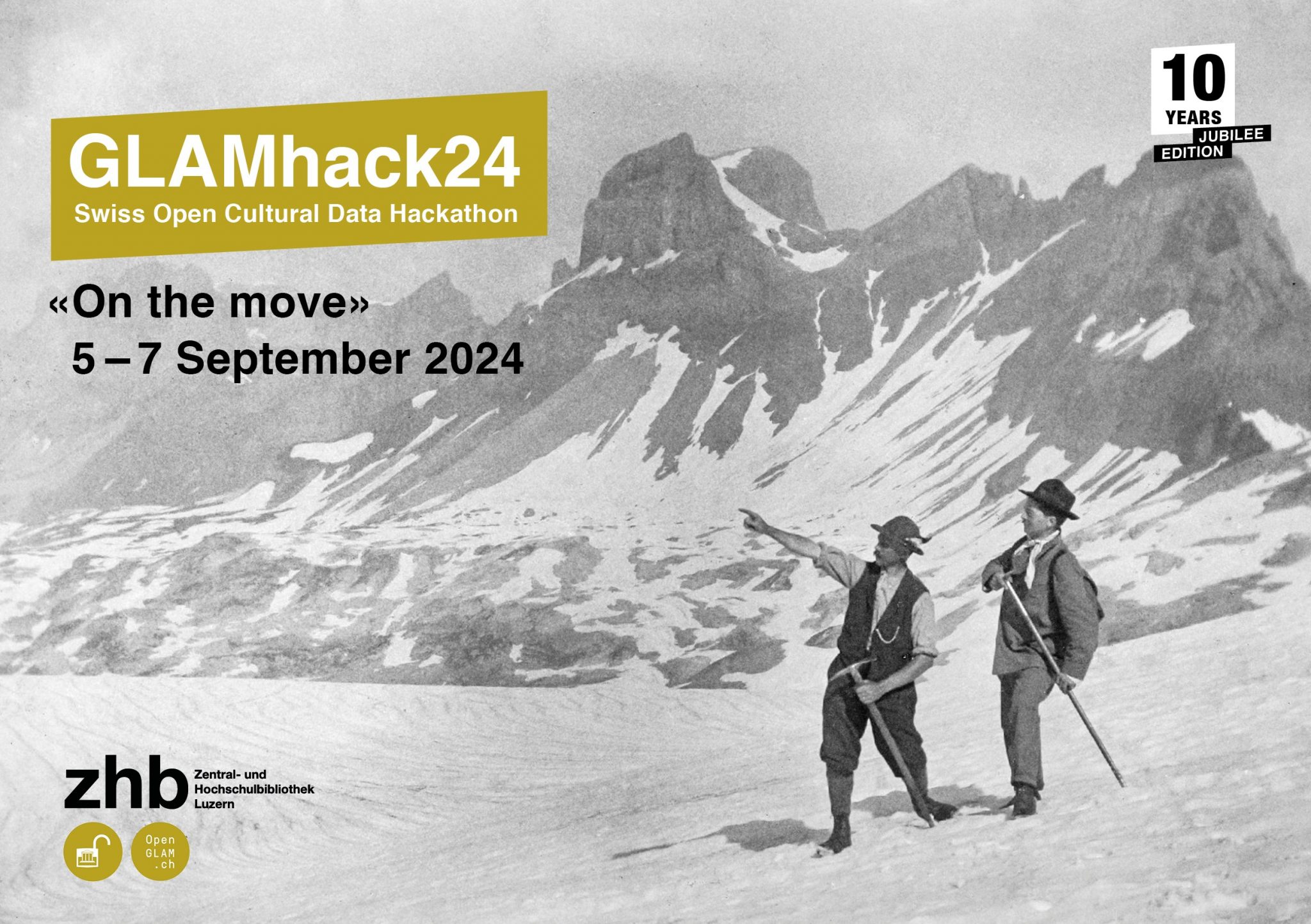
GLAMhack24 – On the Move

In our last newsletter we happily announced GLAMhack24. Now we are excited to inform you that we have found a new title "On the Move" for the anniversary edition. With this title we want to reach an even wider audience for the hackathon. Under the theme “On the Move” GLAMhack24 objective is to trace the movements of individuals to and from Switzerland and further away, capturing the imprints they leave within cultural heritage collections such as images and letters. Our aim is to reintroduce these historical footprints to present-day users. Additionally, we envision the capability to transport individuals through time, allowing them to experience the discovery of artifacts firsthand. 

Register

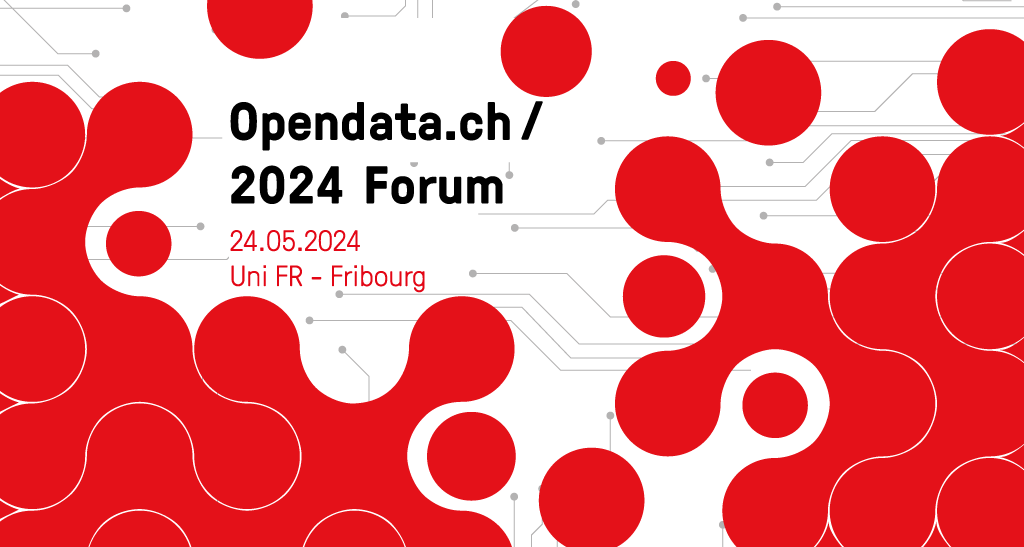
Opendata.ch/2024 Forum

“Data for the common good – Learn, share, and empower”: The Opendata.ch/2024 Forum is Switzerland’s leading conference on open data and data use in the public interest. On 24 May, our 14th conference will bring together experts and enthusiasts from government, research, business, and civil society at the University of Fribourg to ignite discussions, network and learn from each other. OpenGLAM.ch’s Beat Estermann and Jonas Lendenmann will be speaking on Open Event Data and data communities respectively. Don’t miss your chance to shape the future of data in Switzerland.

Secure your ticket!

Digitization and open source as an opportunity for cultural institutions

GLAMs face the challenge of making their cultural heritage accessible in the digital era. Projects such as GLAMorous Europe show that digital formats can stimulate interest in cultural objects. Despite limited resources and complex rights clearance, digitization offers GLAMs the opportunity to expand their audiences and create new experiences. The use of open source software can help to ensure the long-term accessibility and development of digital collections in a sustainable way by enabling reusability and collaborative development. How are cultural institutions adapting to digitalization? Will we only view works of art in digital form in the future? You can find more information here.

The Diskmags project: Preparing early digital cultural heritage for research and communities

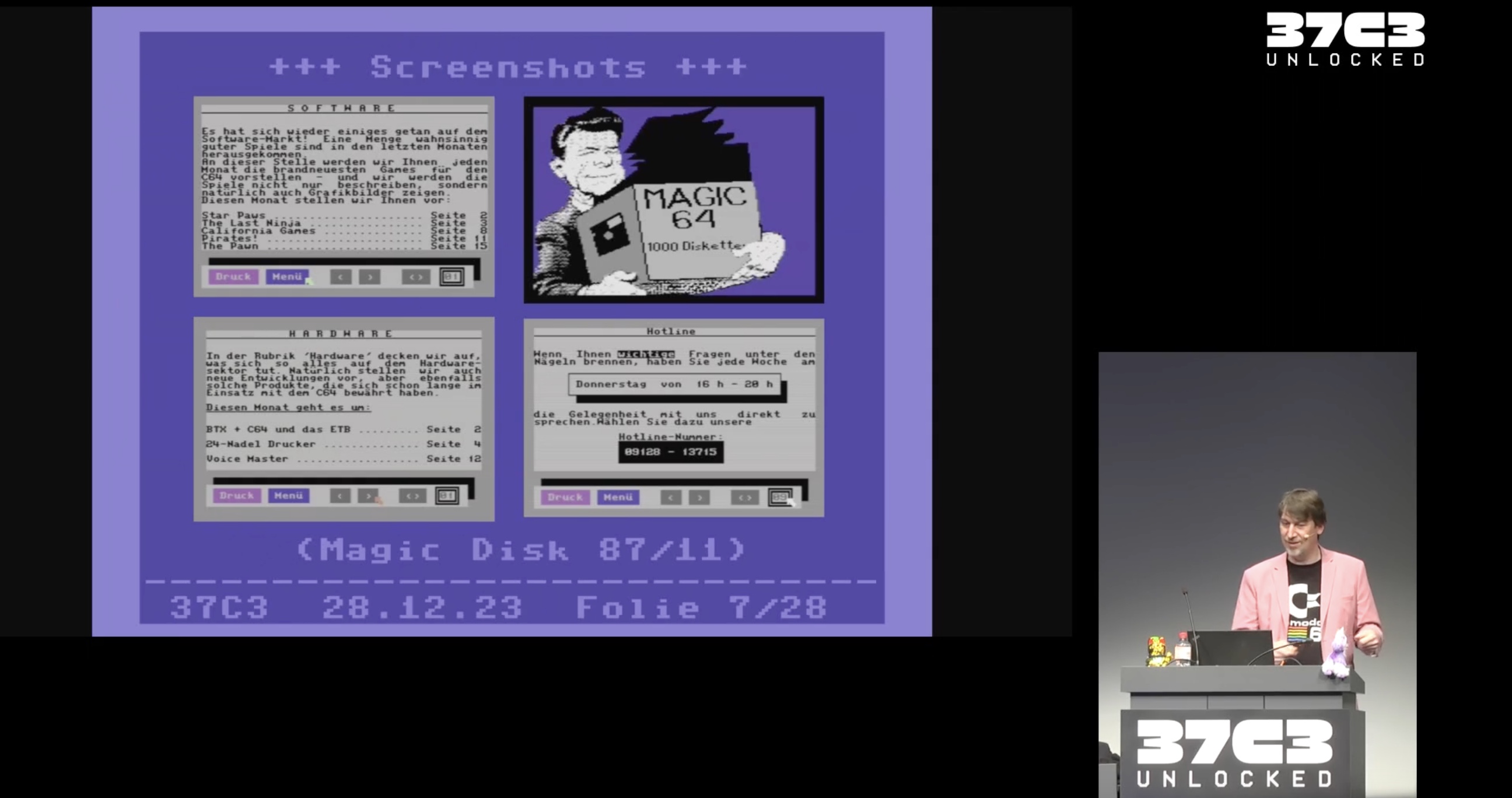
The Diskmags project has dedicated itself to the task of creating a comprehensive catalog for disk magazines from the 1980s and 1990s and at the same time compiling a text collection of their contents, initially available in German. This project creates an important foundation for research into early digital zine culture and allows the various scenes to delve into their own history.

Originally started as a small project, the catalog grew much faster than expected and now contains references to around 2,500 magazines and over 20,000 individual issues. The text collection poses a particular challenge, as compression methods have to be identified and character mappings created in order to generate Unicode-compatible texts.

Musée, ouvre-toi

On January 1, Public Domain Day celebrated the release of numerous works of art. Dominik Scholl emphasizes the need for museums to make their cultural heritage digitally and freely accessible. The discussion revolves around the EU directive on copyright in the digital single market and the role of museums as active parts of society. Examples such as the Rijksmuseum show the change in the museum world towards more digital accessibility. The discussion about the digitization of museums and the provision of data as linked open data is also addressed. It is emphasized that museums must actively shape the digital space in order to maintain their relevance.

Wiki Loves Monuments: The international winning images have been announced

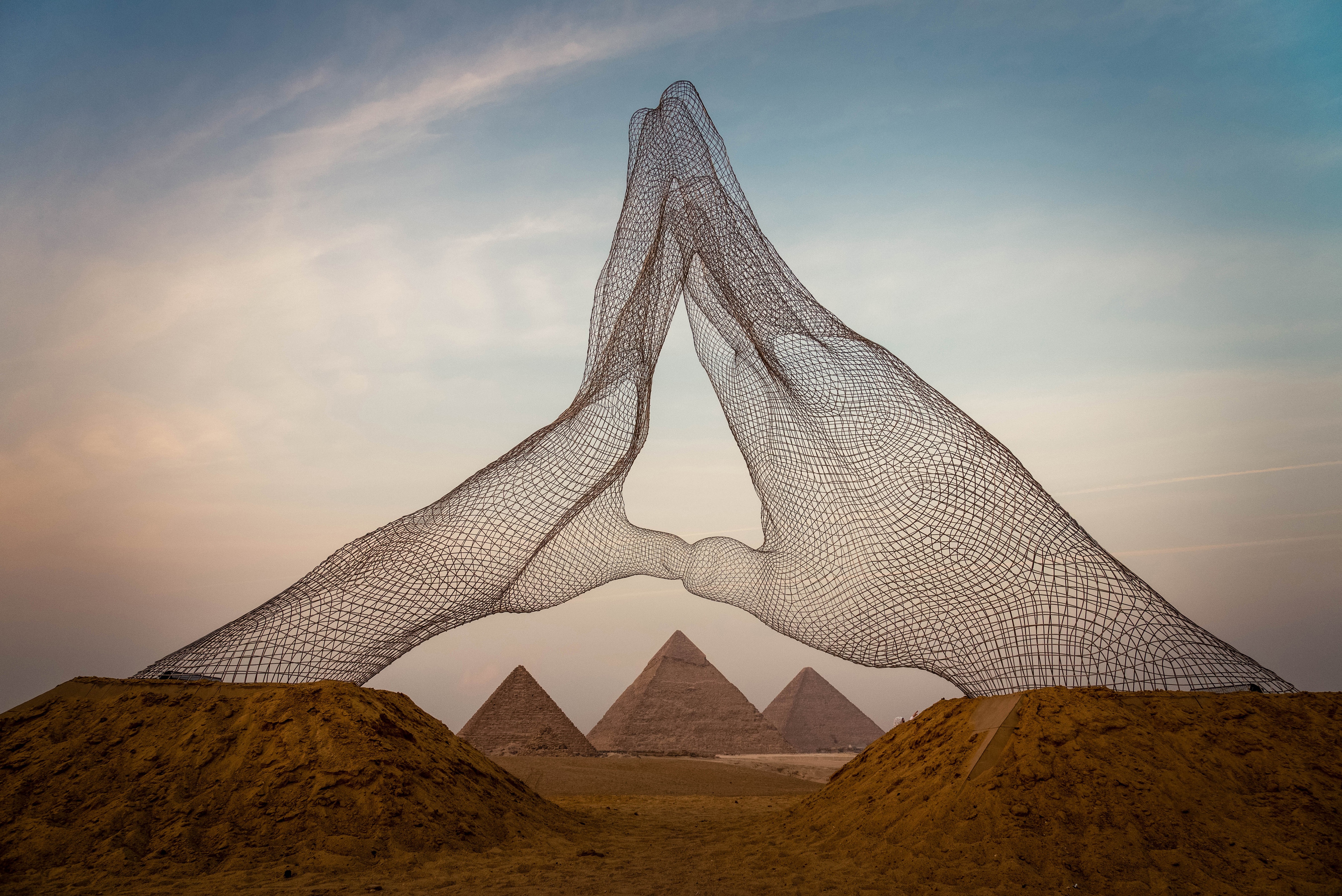
The Wiki Loves Monuments photo competition takes place annually in September and is organized by members of the Wikimedia communities around the world. Participants take photos of historical monuments and cultural heritage sites in their region and upload them to the Wikimedia Commons media archive under a free license. In 2023, a Wikimedia user group from the Igbo ethnic group in Nigeria took part for the first time. Thanks to the commitment of over 4,700 participants from 46 countries, Wikimedia Commons was able to grow by almost 219,000 images. The winners of the national competitions have already been recognized. Up to ten images from each of these competitions could be nominated for the international final. The jury has now chosen the best photos.

Partnership between Wikimedia CH and Science et Cité

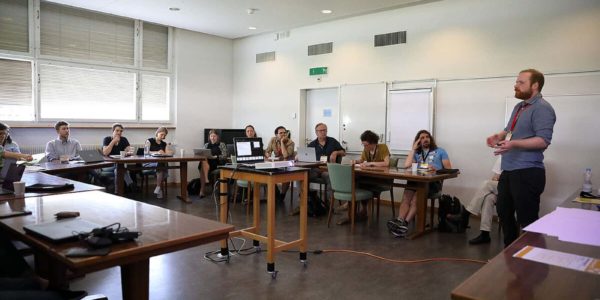
The partnership that Wikimedia CH and the Science et CitĂ© Foundation agreed in August 2023 brings results. As part of the “ResearCH goes Wiki” programme, the two organisations have launched the project “Wiki goes HoCHschule”. The aim is to jointly offer Wikipedia workshops at universities in which lecturers and students upload academic content to the online encyclopedia and thus make research results accessible to a wide audience. The mission of the Science et CitĂ© Foundation is, on the one hand, to make researchers aware of society’s need for information and, on the other, to promote understanding and dialogue in society about the goals and effects of science. “Wikipedia is an ideal platform for this.

Stay GLAMorous,
Gaston | OpenGLAM.ch (info@opendata.ch)

Opendata.ch (and more) Upcoming Events:


Friends of OpenGLAM

This newsletter is brought to you thanks to the kind support of our Friends at OpenGLAM Network.


Opendata.ch

This newsletter is curated by the Opendata.ch team.
LinkedIn
Twitter
Masterdon
Website