Data Roundtripping, Library Linked Data with Wikibase, GLAM mix'n'hack & Wikimania Stockholm results
GLAM Bulletin October 2019
The October edition of the GLAM Bulletin is dedicated to the results of two events and two projects conducted this year: the GLAM mix'n'hack, Wikimania Stockholm, Wikimedia Commons Data Roundtripping and Linked Data Wikibase prototype.
Photo by GLAMoperator, CC BY-SA 4.0.
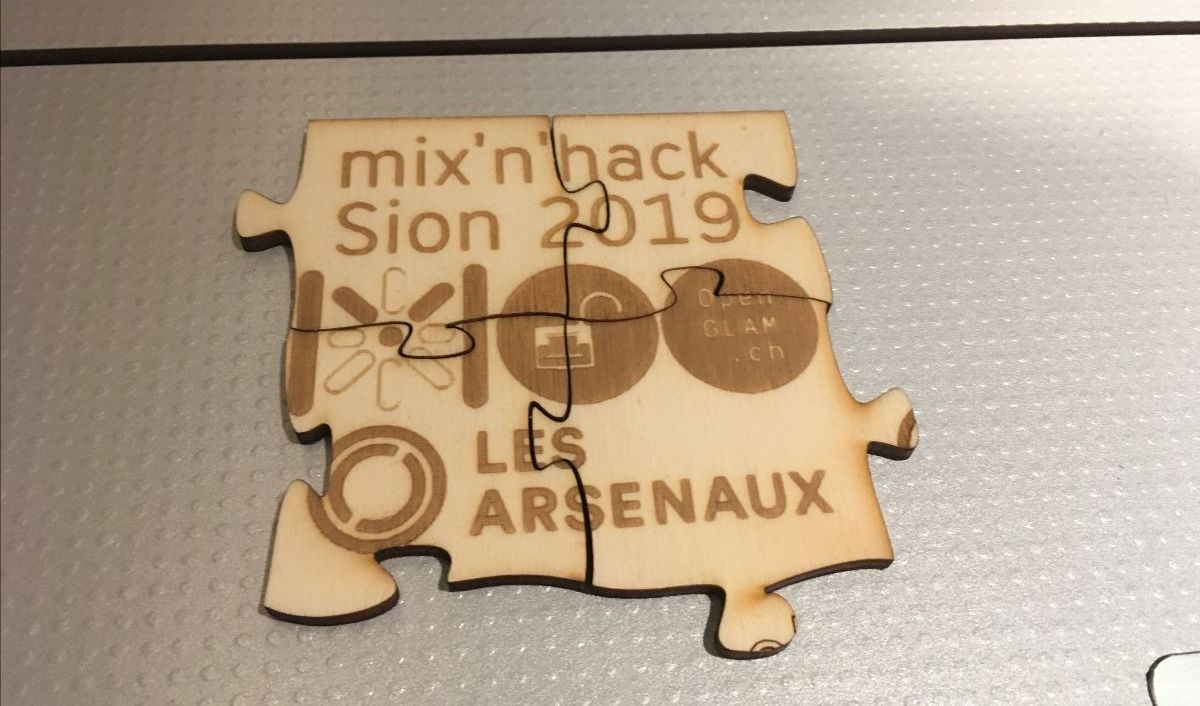
GLAM mix’n’hack in Sion
This year’s Swiss Open Cultural Data Hackathon was held in September at the cultural centre Les Arsenaux in Sion. For the first time, we collaborated with Museomix CH, a community of innovation, culture, and technology enthusiasts from the museum field. We adopted their make-a-thon approach aiming at the creation of interactive prototypes as well as their structured working method with facilitators mentoring the teams. During a very intense weekend, the participants worked on five projects, using historical postcards and photos from the Valais, 16th century prints of an ancient Greek astronomical treatise, audio recordings of opera music and a register of the most popular names in Switzerland.
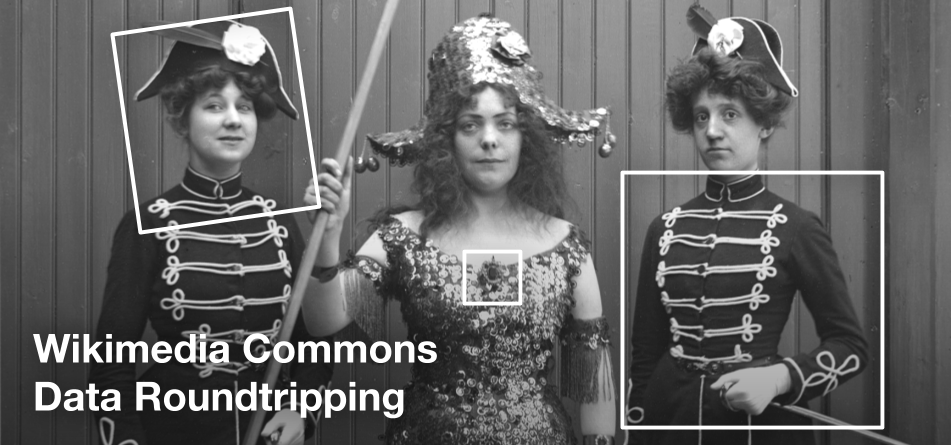
More and more heritage institutions upload items from their collections on Wikimedia Commons or Wikidata. Often this allows an augmentation of the information about these items, be it by contributions from users participating in a crowdsourcing campaign or because the items already existed on the online platform and thus contained previous, frequently complementary information. Now, wouldn’t it be neat if that extra information was ingested back into the source institution's database?
The “Wikimedia Commons Data Roundtripping” project investigated how this could be made possible. Three pilots were conducted: The Swedish Performing Arts Agency uploaded photos on Wikimedia Commons with the corresponding Swedish descriptions from their database. The project engaged audiences in translating the captions in English. The English descriptions were to be ingested back into the Swedish Performing Arts Agency’s own database. In a similar way, the Nordic Museum launched a campaign to “tag” clothing items depicted on a series of watercolours on Wikimedia Commons. Lastly, the Nationalmuseum uploaded all the artists presented in their collections into Wikidata in order to retrieve third party contributions and identifiers from other heritage institutions.Read more about this interesting project on the project pageor in theFinal Report.
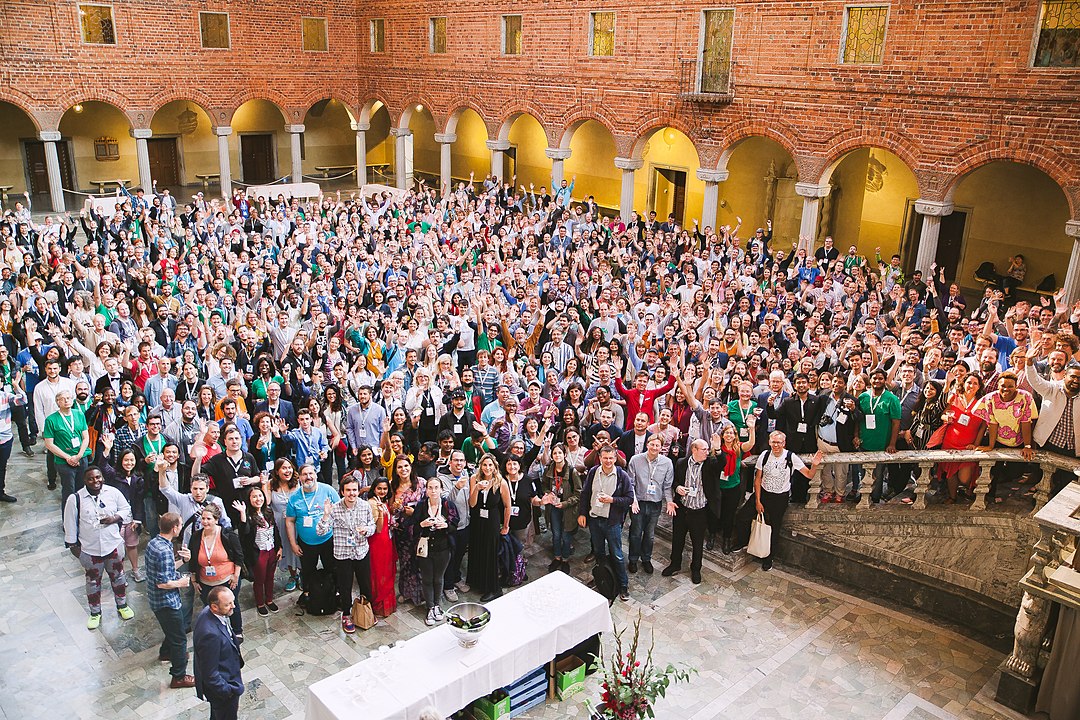
Wikimania 2019 group photo by Patricia Costillo - Eriksbergs foto, CC BY-SA 4.0
Wikimania Stockholm
In mid-August, over 800 people from all over the world gathered in Stockholm for Wikimania, the annual Wikimedia conference. Among the many contributions and talks documented on theprogram page, we have made a selection of presentation slides related to GLAM subjects:
In 2017 and 2018, the global library cooperative OCLC developed a prototype for libraries to experiment with linked data. The goal of the project was to show the value of linked data for improving resource-description workflows in libraries. 16 US institutions were invited to work with this prototype built on the Wikibase platform. The report of the project, published in August, explains how the Wikibase platform was adapted to the specific needs of libraries and provides eight case studies where pilot participants describe their experience of creating metadata for resources in various formats and languages using the Wikibase editing interface. Read more about the prototype or download the project report here.
Currently in SocietyByte
Two articles published in the August issue of SocietyByte are dedicated to OpenGLAM related subjects:
ICAART Valetta - Malta- International Conference on Agents and Artificial Intelligence with a special session on “Artificial Intelligence and Digital Heritage: Challenges and Opportunities” (call for papers open now), 22-24 February 2020
Friends of OpenGLAM
This newsletter is brought to you thanks to the kind support from the members of our Friends of OpenGLAM Network: