Feminism, OpenGLAM Principles, Open Access in Art Museums
Summer News
Dear Friends of OpenGLAM,
The second edition of our quarterly Newsletter informs you about the revitalization of the OpenGLAM principles, about feminism in GLAM projects and Open Access in art museums. We also have news about the upcoming mix’n’hack and this year’s Open Data Forum. We hope you enjoy!
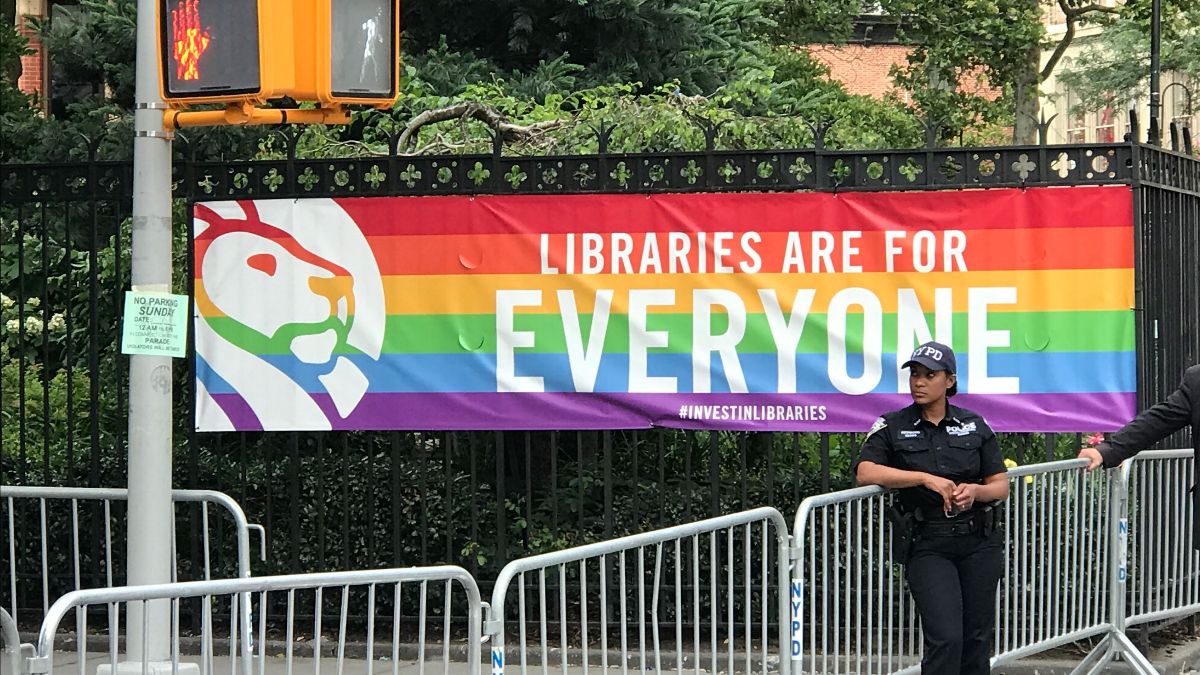
New York City Pride Parade 2018. Photo byFULBERT. CC BY-SA 4.0.
Be GLAMorous - be Feminist!
The 14 June was a historical moment in Switzerland as hundreds of thousands of women joined the national feminist strike. To commemorate this recent event, we dedicate a few lines to GLAM initiatives which fight for more gender equity on the Web. Let’s start with a fact: gender equity is far from being achieved on Wikipedia - fewer and less extensive articles are published about women than about men. This gender bias has led to several movements such as the Women in Red or Les sans pagEs. The main objective of these projects is to give more visibility to women and underrepresented communities on Wikipedia. Les sans pagEs is very active in the Romandie, organising regular edit-a-thons at the MAMCO in Geneva, where users work on themes related to women and gender in art. These events are part of the worldwide campaign Art+Feminism, taking place yearly since 2014 and striving for a better coverage of cis and transgender women, non-binary folks, feminism and the arts on Wikipedia.
A new version of the OpenGLAM Principles is on its way!
If you work in the GLAM sector, you might be familiar with the 5 OpenGLAM Principles, which were first drafted in 2013 to provide guidelines to heritage institutions wanting to adopt an open policy with their collections. Since 2018, a group of people connected to Creative Commons, the Wikimedia Foundation and Open Knowledge International have been analysing if these principles are still up-to-date. They started with a survey amongst GLAMs and are currently working on a new version of the principles. Read more about the survey and the goals of this initiative in the article “OpenGLAM Principles: ways forward to Open Access for cultural heritage” or read and comment on the current draft of the “Declaration on Open Access for Cultural Heritage”.
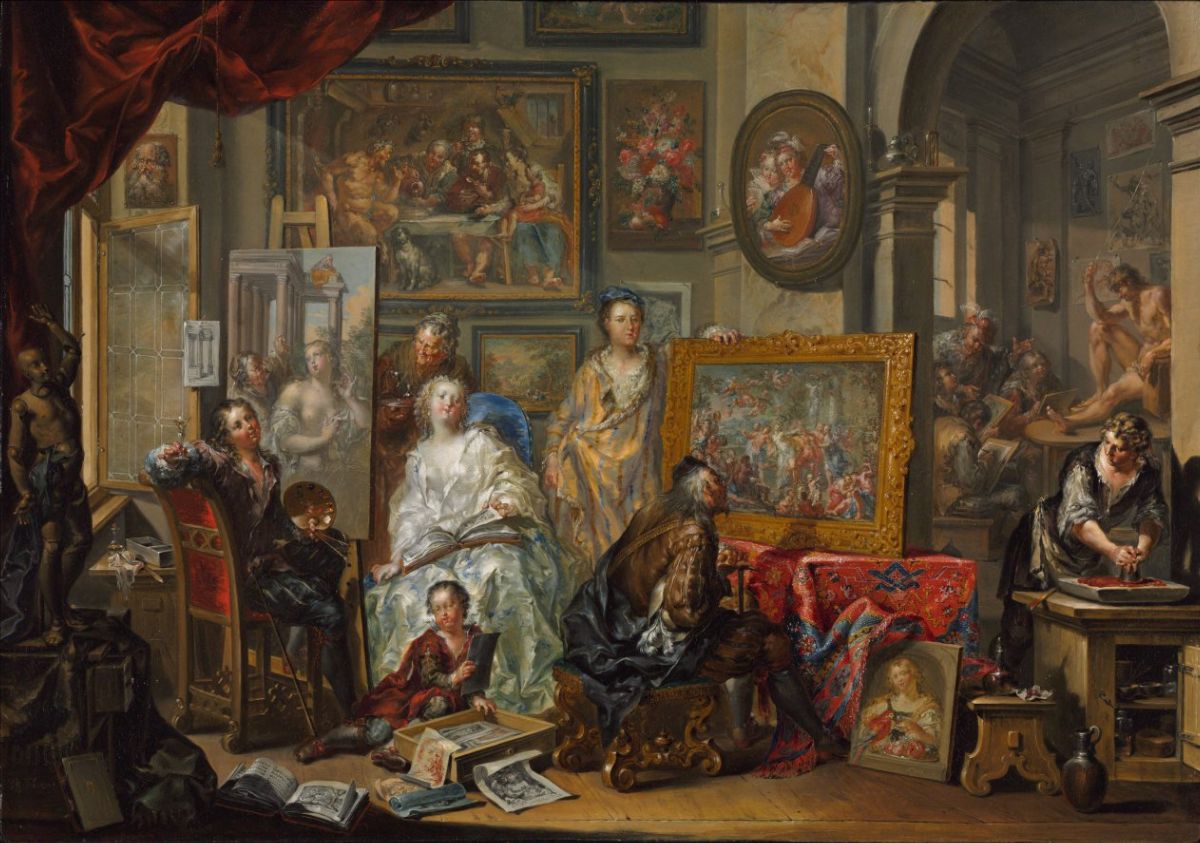
Johann Georg Platzer, The Artist's Studio, 1740s-1750s, oil on copper. The Cleveland Museum of Art. CC0 1.0.
Open Access in Art Museums
One of the key missions of museums is to “acquire, conserve, research, communicate and exhibit the tangible and intangible heritage of humanity and its environment” (museum definition in the ICOM Statutes, 2007). More and more institutions are translating these missions to the digital realm, by “communicating” and “exhibiting” their collections through online platforms. This allows them to guarantee not only a physical access to the small fraction of artefacts on show, but also a virtual access to a greater part of their holdings. “Open Access in Art Museums” is the subject of an interview with Neil Stimler, Senior Advisor at theBalboa Park Online Collaborative. As former project manager for the MET’s Open Access program, Stimler gives practical information about the implementation of Open Access in art museums and expounds the benefits for the institutions. He also gives examples of concrete applications, such as The Next Rembrandt, a programme which algorithmically generated a “new” painting by the Dutch Master using data from the public domain amongst others.
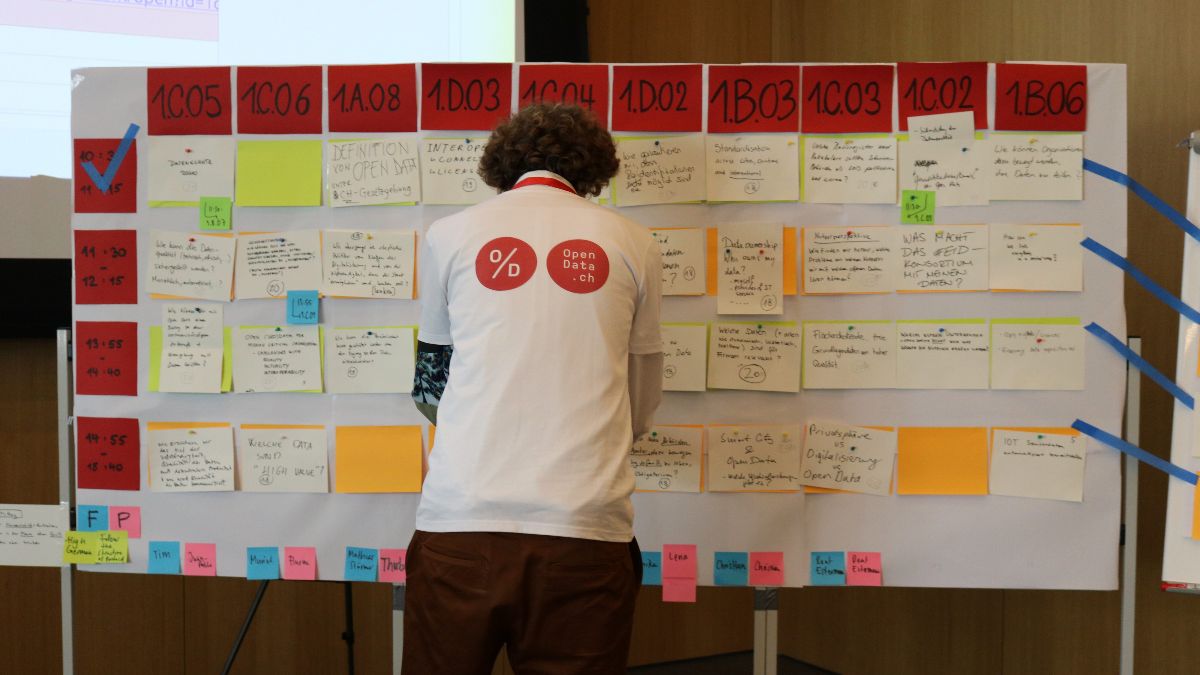
Session grid with the chosen themes at the Open Data CH Unconference.
Open Data CH yearly Forum
This year’s Open Data Forum took place at the SBB Headquarters on 4 July and had a very inspiring format: an Unconference. Instead of one-way communication, the themes were chosen collectively by the participants. This allowed the organisers to understand the current needs, questions and points of interest in the open data community. It gave way to interesting exchanges of ideas and experiences. You can consult the different themes with the corresponding notes here.
GLAM mix’n’hack 2019 - Register Now!
The registration for the #GLAMhack is open! This year’s edition of the Swiss Open Cultural Data Hackathon is a collaboration withMuseomix.ch – that’s why we have branded it “mix’n’hack 2019”. The local FabLab will provide us with machines and material to explore new possibilities and have even more fun with our digital heritage! Of course, “classical” applications which simply work on a smartphone are always welcome. Join this unique event on 6-8 September at the cultural center Les Arsenaux in Sion. And don’t forget to register here.
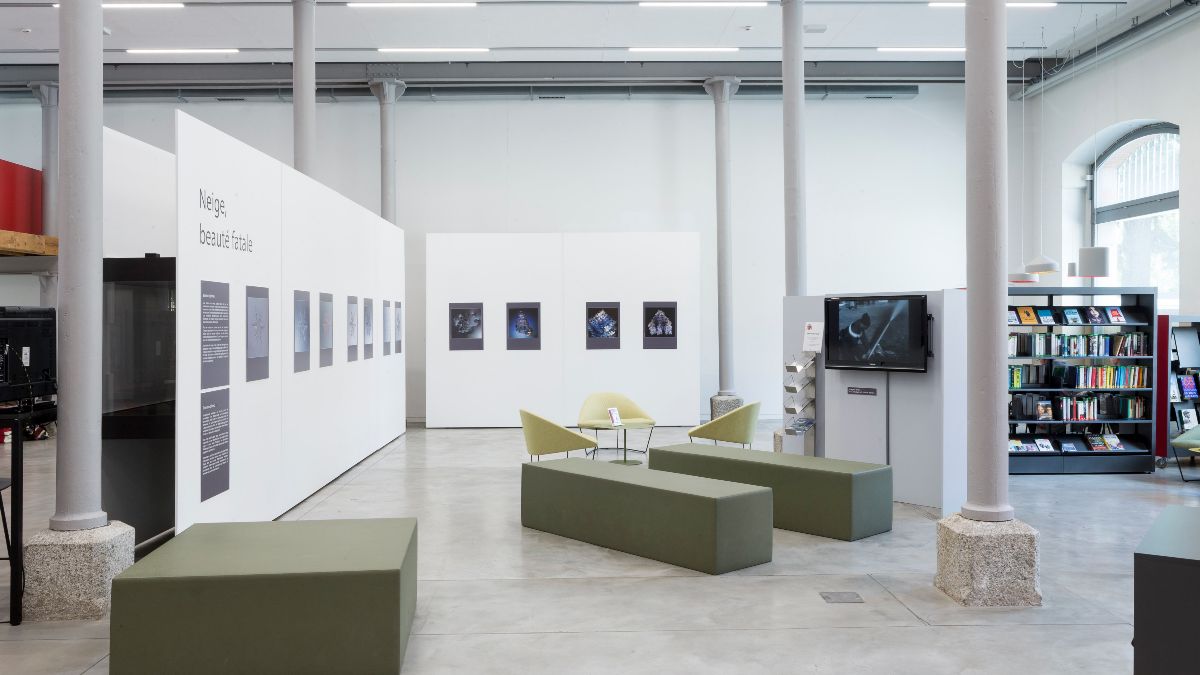
Inside view of Les Arsenaux. Photo by Dominic Steinmann.
Currently in SocietyByte
Two articles published in the June / July issue of SocietyByte are dedicated to OpenGLAM related subjects:
MTSR Rome - Metadata and Semantics Research Conference, 28-31 October
SWIB19 Hamburg - Semantic Web in Libraries Conference, 25-27 November 2019
ICAART Valetta - Malta - International Conference on Agents and Artificial Intelligence with a special session on “Artificial Intelligence and Digital Heritage: Challenges and Opportunities” (call for papers open now), 22-24 February 2020
Friends of OpenGLAM
This newsletter is brought to you thanks to the kind support from the members of our Friends of OpenGLAM Network: